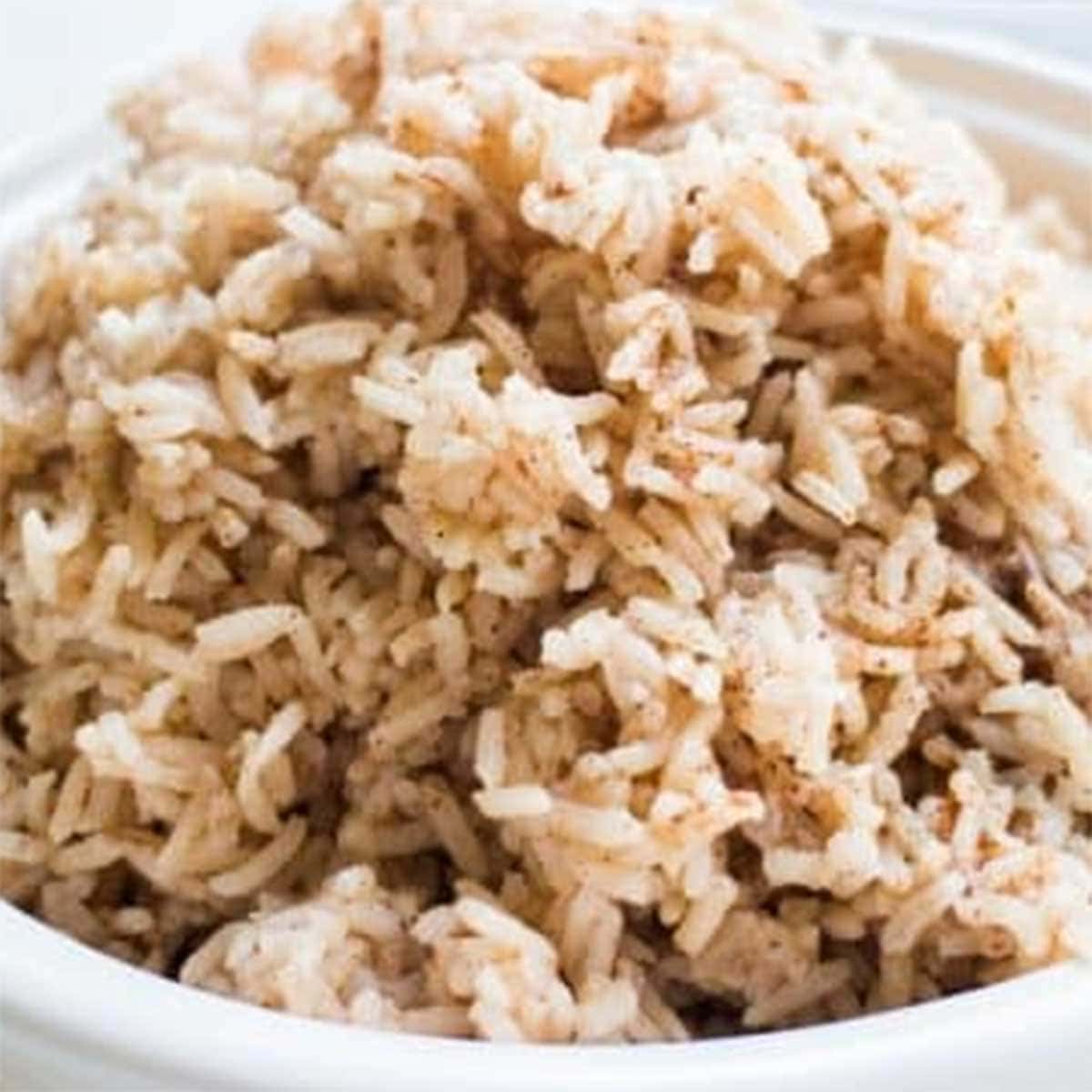
Quick Indian Basmati: The Perfect Side for Curry & More
Imagine a weeknight curry, rich and aromatic, simmering gently on the stove. What’s the ultimate accompaniment to soak up every last drop of that delicious sauce? For many, the answer is a simple, yet utterly transformative, pot of perfectly cooked basmati rice. But not just any basmati – we're talking about incredibly fluffy, separate grains infused with subtle fragrance, ready in under 20 minutes. Forget sticky, clumpy rice; this guide will show you how to master
easy Indian basmati rice that rivals your favourite takeout, making it the ideal partner for any curry, dal, or main dish. It’s a game-changer that feels special but demands surprisingly little effort.
Unlocking the Magic of Basmati: Why It's More Than Just Rice
Basmati is not merely a type of rice; it's an experience. Originating from the foothills of the Himalayas, its very name, derived from Sanskrit, means "possessing fragrance," a testament to its remarkable, nutty, and slightly floral aroma. This unique characteristic is what sets it apart and makes it indispensable in Indian cuisine.
But its appeal goes beyond scent. Basmati grains are naturally long and slender, and when cooked correctly, they elongate significantly – sometimes doubling in length. Unlike many other rice varieties, basmati has a low starch content, which allows the grains to remain distinct and fluffy rather than clumping together. This light, airy texture is crucial for absorbing the vibrant flavours of Indian curries and gravies without becoming heavy or stodgy. From rich biryanis and hearty pulaos to comforting dals and succulent tandoor-cooked meats, basmati rice is the revered foundation upon which countless traditional dishes are built. Understanding these inherent qualities is the first step towards appreciating and mastering truly delicious,
easy Indian basmati rice at home.
Mastering Easy Indian Basmati Rice with the Absorption Method
The secret to achieving perfectly cooked, fluffy, and separate basmati rice lies in the absorption method. This technique ensures that the rice cooks evenly as it soaks up all the liquid, resulting in grains that are tender yet firm, without being mushy or sticky. It's deceptively simple, especially once you understand a couple of fundamental principles.
Here’s how to achieve that flawless, restaurant-quality texture:
1.
Rinse Thoroughly (The Non-Negotiable Step): This is perhaps the most critical step for achieving fluffy, separate grains. Place your basmati rice in a fine-mesh sieve or a large bowl and rinse it under cold running water. Swish it around gently with your hand. You'll notice the water appears cloudy at first – this is excess starch. Continue rinsing and draining (3-4 times minimum, or until the water runs clear). This crucial action removes surface starch, which would otherwise make your rice gummy and sticky. Think of it as polishing each grain for its moment in the spotlight!
2.
Soak (Highly Recommended for Best Results): While you can skip this for speed, soaking basmati rice for 15-30 minutes after rinsing takes your rice to the next level. Soaking helps the grains to hydrate evenly, allowing them to elongate further and cook more consistently. If you're short on time, even a 10-minute soak makes a difference. Remember to drain it thoroughly before cooking.
3.
The Right Ratio: For stovetop cooking using the absorption method, a general rule of thumb is 1 ½ cups of water for every 1 cup of basmati rice. This ratio can vary slightly based on the age of your rice or how long it was soaked, but it's an excellent starting point. Always use a pot with a tight-fitting lid to trap the steam effectively.
4.
Cook, Don't Stir!: Combine your rinsed and drained rice with the measured water and a pinch of salt in your pot. Bring it to a rolling boil over medium-high heat. Once boiling, stir *once* to ensure everything is mixed, then immediately reduce the heat to the lowest setting, cover the pot tightly with its lid, and resist the urge to peek or stir. Stirring during this phase releases starch and breaks the delicate grains, leading to a gluey texture.
5.
Simmer and Rest: Let the rice simmer undisturbed for about 10-12 minutes. After this time, remove the pot from the heat but *keep the lid on*. Let it rest for another 5-10 minutes. This resting period is vital; the residual steam finishes the cooking process and allows the grains to firm up and become even fluffier.
6.
Fluff with a Fork: Once rested, gently remove the lid and use a fork to fluff the rice. You'll be amazed at the distinct, long grains that separate beautifully. Serve immediately.
Following these simple rules will consistently deliver light, aromatic, and perfectly cooked
easy Indian basmati rice. For a detailed, step-by-step recipe that ensures fluffy, fragrant results every time, check out our guide on
How to Cook Easy Indian Basmati Rice: Fluffy & Fragrant.
Elevating Your Quick Basmati: Fragrant & Flavorful Variations
While plain basmati rice, prepared as above, is utterly delicious, one of the joys of Indian cooking is the art of subtle flavour layering. Transforming your quick basmati into a more fragrant side dish requires minimal extra effort, but yields maximum impact. This is where your rice moves beyond just "plain" and becomes a star in its own right.
To infuse your basmati with incredible aromas, consider a simple tempering of whole spices at the very beginning of the cooking process:
*
The Aromatic Foundation: Heat a tablespoon of ghee (clarified butter) or a neutral cooking oil in your pot before adding the rice and water. Ghee adds a wonderfully nutty depth, though oil keeps it vegan and dairy-free.
*
Spice Selection: Once the ghee/oil is hot, add a few whole spices. Classic choices include:
*
Cumin seeds: For an earthy, warm flavour.
*
Green cardamom pods: Lightly crushed to release their intoxicatingly sweet and floral notes.
*
Cloves: A couple of whole cloves add a warm, pungent depth.
*
Bay leaf: A single bay leaf contributes a subtle, herbal backdrop.
*
Toasting the Spices: Sauté these whole spices for about 30 seconds to a minute, or until they become fragrant. Be careful not to burn them! This brief toasting releases their essential oils, infusing the cooking fat with their unique aromas.
*
Adding Rice and Water: Once the spices are fragrant, add your rinsed and drained basmati rice to the pot and stir for a minute to coat the grains in the spiced oil. Then, add your water and salt, and proceed with the absorption method as outlined above.
This simple step takes your
easy Indian basmati rice from a humble side to a dish brimming with flavour and character. You can also experiment with a pinch of turmeric for a beautiful golden hue, or some thinly sliced sautéed onions for a touch of sweetness. The beauty is in the customization, allowing you to match the rice perfectly to your chosen main course.
Perfect Pairings: More Than Just a Side for Curry
While
easy Indian basmati rice is undoubtedly the quintessential partner for curries of all kinds – from fiery vindaloos to creamy kormas – its versatility extends far beyond. Its neutral yet aromatic profile makes it an incredibly adaptable side dish, capable of complementing a vast array of cuisines and meal types.
*
Indian Classics: Beyond curries, it’s superb with rich dals (lentil stews), smoky tandoori chicken, succulent kebabs, or even simple vegetable preparations like aloo gobi (potato and cauliflower). It’s also the perfect base for flavourful vegetarian dishes like paneer masala.
*
Global Adventures: Don't limit your basmati to Indian nights! Its light, separate grains make it an excellent choice for:
*
Stir-fries: Serve as a light base instead of heavier noodles or standard white rice.
*
Grilled Meats & Fish: A simple bed of basmati allows the flavours of grilled lamb, chicken, or salmon to shine.
*
Roasted Vegetables: Its fluffiness provides a lovely contrast to tender-crisp roasted veggies.
*
Mediterranean Dishes: Pair it with tagines, falafel, or koftas for a delicious, absorbent side.
*
Light Salads: Cooled basmati can form the base of a refreshing grain salad with herbs, lemon, and fresh vegetables.
The brilliance of perfectly cooked basmati rice lies in its ability to absorb and complement, rather than overpower, the flavours of your main course. Its inherent elegance and delightful texture elevate any meal, making it a truly invaluable addition to your culinary repertoire.
Conclusion: Your Journey to Perfect Indian Basmati Begins Now
Gone are the days of dreading rice cooking. With the simple absorption method, a keen eye on rinsing, and a willingness to avoid that tempting stir, you now possess the knowledge to create truly magnificent
easy Indian basmati rice. In under 20 minutes, you can transform humble grains into a fragrant, fluffy masterpiece that will elevate any meal, whether it’s a quick weeknight curry or an elaborate weekend feast. This versatile, vegan, gluten-free, and dairy-free side dish is not just an accompaniment; it's a testament to the power of simple techniques yielding extraordinary results. So, next time curry is on the menu, or you simply desire a light and aromatic side, reach for that basmati – perfection awaits! To delve deeper into the nuances of achieving truly authentic results, explore our
Master Authentic Indian Basmati Rice: Essential Cooking Tips.