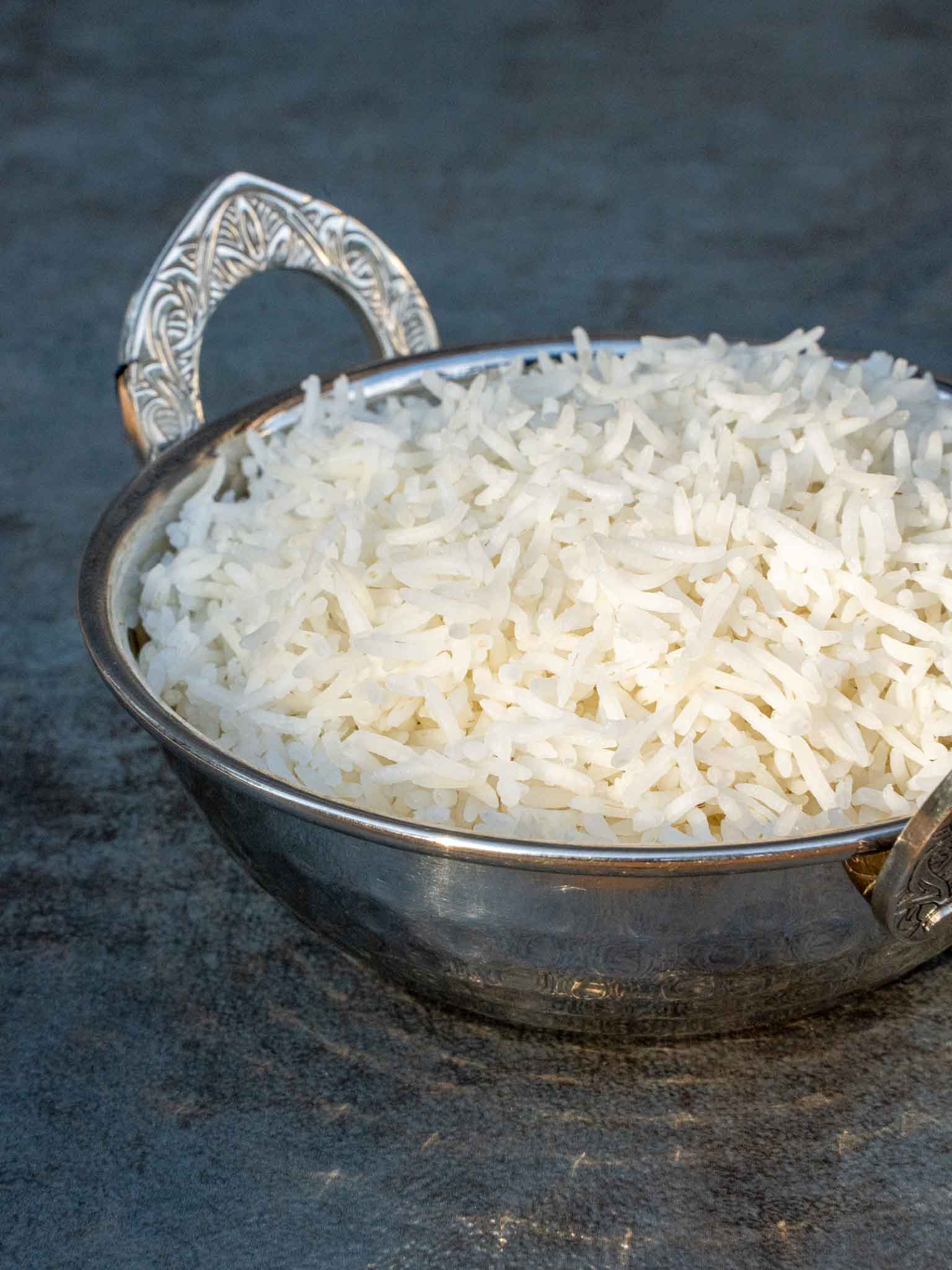
There's something truly magical about perfectly cooked basmati rice. Its long, slender grains, delicate aroma, and fluffy texture elevate any meal, transforming a simple plate into a feast for the senses. While many believe that achieving authentic Indian-style basmati at home is a complex task, it's actually much simpler than you might imagine. With a few essential tips and tricks, you can master the art of preparing truly easy Indian Basmati rice: fluffy & fragrant, turning an everyday side into a star.
Forget plain, sticky, or bland rice. This comprehensive guide will walk you through the secrets to cooking basmati just like they do in India, ensuring every grain is separate, aromatic, and a delightful accompaniment to your favourite curries, dals, or tandoori dishes. Get ready to impress your taste buds and your guests!
The Allure of Basmati: More Than Just a Grain
Basmati, derived from the Sanskrit word meaning "possessing fragrance," is not just any rice; it's a culinary treasure. Originating in the fertile foothills of the Himalayas, primarily in India and Pakistan, this long-grained variety has captivated palates worldwide for centuries. What sets basmati apart is its exceptional aromatic quality, often described as nutty, floral, or even popcorn-like, which intensifies during cooking.
Beyond its captivating scent, basmati rice boasts unique physical characteristics. Its grains are notably long and slender, and when cooked correctly, they can double in length, remaining distinct and separate rather than clumping together. This non-sticky quality is due to its naturally low starch content, which makes it an ideal canvas for absorbing the rich flavours of Indian cuisine. From lavish biryanis and aromatic pulaos to the everyday accompaniment for lentil dals and spicy curries, basmati is an indispensable staple that truly defines the authentic Indian dining experience. Choosing a high-quality basmati is the first step towards achieving truly quick Indian Basmati: the perfect side for curry & more.
Essential Steps for Perfect, Fluffy Basmati
Achieving that coveted fluffy, distinct-grained basmati isn't about complex techniques; it's about understanding and respecting a few fundamental principles. Here's how to ensure your easy Indian basmati rice turns out perfectly every time.
Choosing Your Basmati & Basic Ingredients
- Quality Basmati Rice: Always opt for aged basmati rice if possible, as it has a lower moisture content and greater aromatic intensity. Look for brands that specify "extra long grain" for the best results.
- Water: The foundation of all cooking.
- Salt: Essential for flavouring the rice itself.
- Optional Flavour Enhancers: For a more aromatic rice, consider adding a teaspoon of ghee or oil, whole spices like cumin seeds, cardamom pods, cloves, or a bay leaf to the cooking water.
The Art of Rinsing and Soaking
These two steps are arguably the most crucial for achieving light, separate, and fluffy basmati grains. Do not skip them!
- Rinsing: This step removes excess surface starch, which is the primary culprit behind sticky, clumpy rice.
- Place your desired amount of basmati rice in a fine-mesh sieve or a large bowl.
- Rinse it thoroughly under cold running tap water.
- Swish the rice around with your hand or by gently shaking the sieve.
- Continue rinsing and draining until the water runs completely clear. This usually takes 3-4 changes of water.
- Soaking: Soaking the rice before cooking allows the grains to absorb water, which helps them elongate beautifully, cook more evenly, and remain separate.
- After rinsing, transfer the rice to a bowl and cover it with fresh, cool water.
- Let it soak for at least 20-30 minutes, or even up to an hour.
- Before cooking, drain the soaked rice very well using a fine-mesh strainer.
The Absorption Method: A Foolproof Technique
The absorption method is widely favoured for cooking basmati because it locks in flavour and aroma, resulting in perfectly cooked grains where all the liquid is absorbed. Here are the golden rules:
- Water-to-Rice Ratio: This is key. For uncooked, *rinsed* basmati, a common stovetop ratio is 1½ cups of water to 1 cup of rice. If you've soaked the rice, you might find success with a slightly reduced ratio, around 1⅓ cups water to 1 cup of rice. For oven steaming, a 1⅓:1 ratio is generally recommended.
- No Stirring During Cooking: Once the rice starts cooking, resist the urge to stir it. Stirring releases starch and can break the delicate grains, leading to a gummy texture.
- Fluffing at the End: Only after all the liquid has been absorbed and the rice has rested, gently fluff it with a fork.
Step-by-Step Stovetop Cooking:
- Prepare & Sauté (Optional): If adding whole spices for fragrant rice, heat a teaspoon of ghee or oil in a heavy-bottomed pot (with a tight-fitting lid) over medium heat. Add spices like cumin seeds, cardamom pods, and a bay leaf, and sauté for 30 seconds until fragrant. Add the well-drained, rinsed, and soaked basmati rice and stir gently for about a minute to coat the grains and lightly toast them.
- Add Water & Salt: Pour in the measured water and add salt (typically ½ teaspoon per cup of rice). Bring the mixture to a rolling boil over high heat.
- Cover & Simmer: Once boiling, reduce the heat to the lowest setting, cover the pot tightly with its lid (or foil if your lid isn't snug), and let it simmer undisturbed for 10-12 minutes.
- Rest: After the simmering time, turn off the heat completely but *do not lift the lid*. Let the rice rest, still covered, for another 5-10 minutes. This allows the steam to finish cooking the grains and firm them up.
- Fluff & Serve: Gently remove the lid and use a fork to fluff the rice from the bottom up. Your easy Indian basmati rice is now ready to serve!
Elevating Your Basmati: Beyond the Basics
While plain basmati is wonderful, adding a few simple ingredients can transform your rice into an even more aromatic and flavourful experience, perfect for pairing with a diverse range of Indian dishes.
Adding Fragrance and Flavor
- Whole Spices: As mentioned, tempering whole spices like cumin seeds, green cardamom pods, cloves, or a small piece of cinnamon stick in ghee or oil at the beginning of the cooking process infuses the rice with a deep, complex aroma.
- Saffron: For a touch of luxury and vibrant colour, soak a few strands of saffron in a tablespoon of warm milk or water for 10 minutes. Gently drizzle this over the cooked, rested basmati just before fluffing.
- Fresh Herbs: A sprinkle of freshly chopped cilantro or mint after fluffing adds a burst of freshness and a beautiful green garnish.
- Aromatics: Lightly sautéing finely chopped onions or ginger in ghee before adding the rice can add another layer of savoury depth.
Troubleshooting Common Issues
Even with the best intentions, things can sometimes go awry. Here’s how to address common basmati rice problems:
- Sticky Rice: This usually means too much starch was left on the grains (insufficient rinsing), too much water was used, or the rice was stirred during cooking. Next time, rinse more thoroughly and check your water ratio.
- Hard/Undercooked Rice: Not enough water, or the lid was lifted too often, allowing steam to escape. If you catch it early, you can add a tablespoon or two of hot water, cover tightly, and cook for a few more minutes on low heat.
- Mushy Rice: Too much water or overcooked. Unfortunately, mushy rice is hard to salvage for fluffy perfection, but it can often be repurposed for dishes like quick Indian Basmati: the perfect side for curry & more if you make a quick fried rice or rice patties.
Serving Suggestions & Why Authentic Basmati Matters
The beauty of perfectly cooked basmati rice lies in its incredible versatility. It's the ultimate partner for almost any Indian dish. Imagine scooping up a rich, creamy butter chicken with fluffy grains, or letting it soak up the savoury goodness of a lentil dal. It's also fantastic alongside grilled tandoori chicken, flavourful vegetable curries, or even as a base for vibrant rice salads. This truly easy Indian basmati rice is a naturally vegan, gluten-free, and dairy-free side, making it suitable for a wide range of dietary needs.
Mastering authentic basmati isn't just about cooking a side dish; it's about unlocking a fundamental flavour profile of Indian cuisine. The distinct aroma and texture of well-prepared basmati elevate the entire meal, making it more satisfying and enjoyable. It transforms home cooking into a culinary journey, bringing the vibrant tastes and scents of India right to your table.
With these essential tips and techniques, preparing fragrant, fluffy, and separate basmati rice is now firmly within your grasp. Embrace the simple steps of rinsing, soaking, and the absorption method, and you'll consistently achieve restaurant-quality results at home. This mastery of easy Indian Basmati rice: fluffy & fragrant will not only impress your family and friends but also deepen your appreciation for the nuances of Indian cooking. So go ahead, grab your basmati, and start cooking – your taste buds will thank you!
