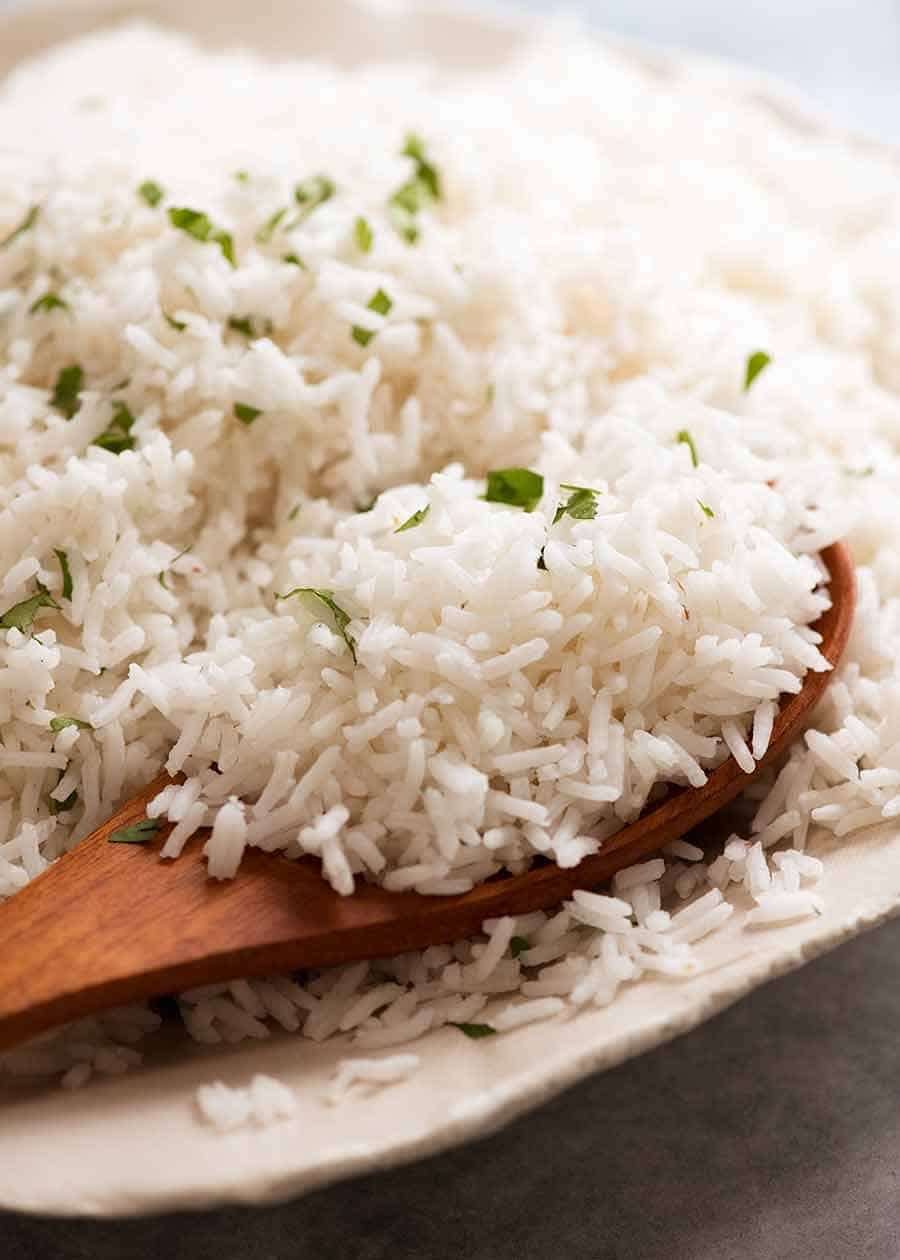
How to Cook Easy Indian Basmati Rice: Fluffy & Fragrant Every Time
Craving that perfect, fluffy, and incredibly fragrant rice you find at your favorite Indian restaurant? Look no further! Mastering easy Indian basmati rice at home is not just achievable, it's surprisingly simple and will elevate any meal. Forget sticky, clumpy grains; with a few straightforward techniques, you can transform humble basmati into a culinary masterpiece ready in under 20 minutes. It’s the ultimate accompaniment to rich curries, comforting dals, or even just a simple weeknight stir-fry. Let's unlock the secrets to creating truly authentic, light, and airy Indian-style basmati rice.
What Makes Basmati Rice So Special?
Basmati rice isn't just any grain; it's an experience. Originating in the foothills of the Himalayas, this long-grain rice variety is revered globally for its distinctive qualities. Its name, derived from Sanskrit, literally means "possessing fragrance," a perfect descriptor for its remarkable, nutty aroma that fills your kitchen as it cooks.
Beyond its captivating scent, basmati rice stands out due to its unique structure. The grains are exceptionally long and slender, and when cooked, they can double in length. Crucially, basmati has a naturally low starch content. This characteristic is key to achieving that coveted fluffy, separate texture, where each grain stands distinct from the next, rather than clumping together. It's this light, airy consistency and distinct flavor that makes it an indispensable staple in Indian cuisine, perfectly complementing the complex flavors of dishes like biryanis, pulaos, and a vast array of curries and tandoor-cooked meats.
The Foundation: Prepping Your Basmati for Perfection
The journey to perfectly cooked easy Indian basmati rice begins long before the heat hits the pot. Proper preparation is paramount to unlocking its full potential, ensuring those distinct, fluffy grains.
Rinsing: The Non-Negotiable First Step
The single most important step for achieving non-sticky basmati rice is thorough rinsing. Basmati grains, like many rice varieties, have a layer of excess starch on their exterior. If this starch isn't removed, it will leach into the cooking water, causing the grains to stick together and become gummy.
- How to Rinse: Place your desired amount of basmati rice in a fine-mesh sieve. Hold it under cold running tap water. Use your fingers to gently agitate the rice. Continue rinsing until the water running off the rice is completely clear, rather than cloudy. This usually takes about 3-4 minutes.
- Why it Matters: This simple action washes away the surface starch, allowing the grains to cook up separate and distinct.
To Soak or Not to Soak? Understanding the Benefits
While rinsing is essential, soaking is often debated. However, for truly authentic and superior results, many Indian cooks swear by it.
- Benefits of Soaking:
- Enhanced Elongation: Soaking allows the grains to absorb some water before cooking, which helps them elongate even further and more uniformly, resulting in those impressively long, elegant grains.
- Lighter Texture: Pre-soaked rice tends to cook up even lighter and fluffier.
- Reduced Cooking Time: Because the grains have already absorbed some moisture, they cook slightly faster.
- How to Soak: After rinsing, transfer the rice to a bowl and cover it with fresh, cold water. Let it soak for 20-30 minutes. Afterwards, drain the rice thoroughly using a sieve once more before cooking.
- Expert Tip: If you're in a hurry, you can skip soaking, but for the best possible fluffy results, especially when aiming for restaurant-quality Master Authentic Indian Basmati Rice: Essential Cooking Tips, it's a worthwhile extra step.
The Easy Absorption Method: Your Path to Fluffy Rice
The absorption method is the secret to perfectly cooked easy Indian basmati rice. It's straightforward, hands-off, and results in rice where every grain is tender yet firm, never mushy.
Understanding the Water-to-Rice Ratio
For stovetop cooking, a crucial element is the correct water-to-rice ratio. The widely accepted and most reliable ratio for basmati rice using the absorption method is **1 ½ cups of water for every 1 cup of rice.** This ratio accounts for the rice absorbing all the liquid during cooking, resulting in ideal texture. Always use a consistent measuring cup for both rice and water.
Step-by-Step Cooking Instructions:
- Prepare Your Rice: Rinse and optionally soak your basmati rice as described above. Drain it exceptionally well.
- Combine & Season: In a heavy-bottomed pot with a tight-fitting lid, combine your rinsed and drained rice with the measured water (1.5 cups water per 1 cup rice). Add salt to taste (typically ½ teaspoon per cup of rice). For an elevated flavor, consider adding a teaspoon of ghee or a neutral oil, which helps keep the grains separate and adds richness.
- Optional Aromatic Boost: To make your easy Indian basmati rice even more fragrant, you can add whole spices. Gently heat a teaspoon of oil or ghee in the pot first. Add a few cumin seeds, 2-3 green cardamom pods (lightly crushed), a clove or two, and a small bay leaf. Sauté for 30 seconds until fragrant before adding the rice, water, and salt. This infuses the rice with a beautiful, subtle Indian aroma.
- Bring to a Boil: Place the pot on high heat and bring the water to a rolling boil.
- Reduce Heat & Simmer: As soon as it boils, give it a quick, gentle stir *just once* to ensure the salt is dissolved and nothing is sticking. Immediately reduce the heat to the lowest possible setting.
- Cover and Cook: Cover the pot tightly with its lid. It's crucial that steam doesn't escape. If your lid isn't super snug, you can place a clean kitchen towel under it to create a better seal. Let the rice simmer undisturbed for 12-15 minutes.
- The Golden Rule: NO STIRRING! This is perhaps the most critical rule of the absorption method. Stirring during cooking releases starch and breaks the grains, leading to a gummy texture. Resist the urge!
- Rest: Once the cooking time is up, turn off the heat but keep the lid on. Let the rice rest for another 5-10 minutes. This allows the steam to redistribute, resulting in even fluffier grains.
- Fluff and Serve: Remove the lid. Gently fluff the rice with a fork, separating the grains. Your perfectly cooked, fluffy, and fragrant easy Indian basmati rice is now ready to serve!
Flavor Variations & Serving Suggestions
While plain, perfectly cooked basmati is a delight on its own, its versatility allows for exciting flavor variations.
- Classic & Simple: A pinch of salt and a tablespoon of ghee (clarified butter) or a neutral oil stirred in with the water is often all it takes to make the rice delicious. The ghee adds a wonderful, subtle richness.
- Aromatic Spices: As mentioned, a few whole spices like cumin seeds, green cardamom pods, cloves, and bay leaves can transform your rice. Sauté them briefly in a little oil or ghee before adding the rice and water for a fragrant pilaf-style rice.
- Lemon & Coriander: For a fresh twist, a squeeze of lemon juice and a handful of fresh chopped coriander stirred in after the rice has rested adds brightness.
- Turmeric Yellow Rice: Add a pinch of turmeric powder to the water for a vibrant yellow rice that's both beautiful and subtly flavored.
This easy Indian basmati rice is the quintessential companion for an endless array of dishes. It's a must-have alongside rich Chicken Tikka Masala, creamy Dal Makhani, spicy Rogan Josh, or any of your favorite Indian curries. It also serves as a fantastic base for quick fried rice or as a light side for grilled meats and vegetables.
Troubleshooting & Expert Tips for Success
Even with an "easy" recipe, a few common issues can arise. Here’s how to avoid them and elevate your basmati cooking skills:
- Sticky Rice: This is almost always due to insufficient rinsing. Ensure you wash the rice until the water runs completely clear. Over-stirring during cooking can also contribute.
- Hard/Undercooked Grains: This means not enough water or not enough cooking time. Double-check your water-to-rice ratio and ensure your lid is tight-fitting to prevent steam from escaping. If your rice is slightly hard after cooking, sprinkle a tablespoon or two of hot water over it, re-cover the pot, and let it steam for another 2-3 minutes on very low heat.
- Mushy Rice: Too much water, cooking for too long, or lifting the lid too often during cooking. Stick to the 1.5:1 ratio and resist peeking!
- Consistent Heat: Ensure your stove element provides consistent low heat. If it’s too high, the water will evaporate too quickly before the rice has fully cooked.
- Quality Basmati Matters: Invest in good quality, aged basmati rice. It makes a significant difference in both flavor and texture.
- Don't Overcrowd the Pot: Give the rice enough space to cook and expand. A wider, shallower pot is often better than a very tall, narrow one for larger quantities.
Cooking easy Indian basmati rice might seem daunting at first, but with these simple techniques, you'll be consistently turning out fluffy, separate, and fragrant grains. It’s a game-changer for your homemade Indian meals and a skill that will serve you well in countless culinary adventures. Enjoy the journey to perfect rice!
